Mold Detection in Dallas, TX
Mold detection services involve assessing indoor environments to identify the presence of mold growth that may not be immediately visible. These services are commonly requested during home inspections, post-water damage assessments, or when there are concerns about musty odors or allergic reactions. Property owners typically want to understand if mold is present, the extent of any contamination, and whether it poses health risks, especially in areas with high humidity or previous water intrusion.
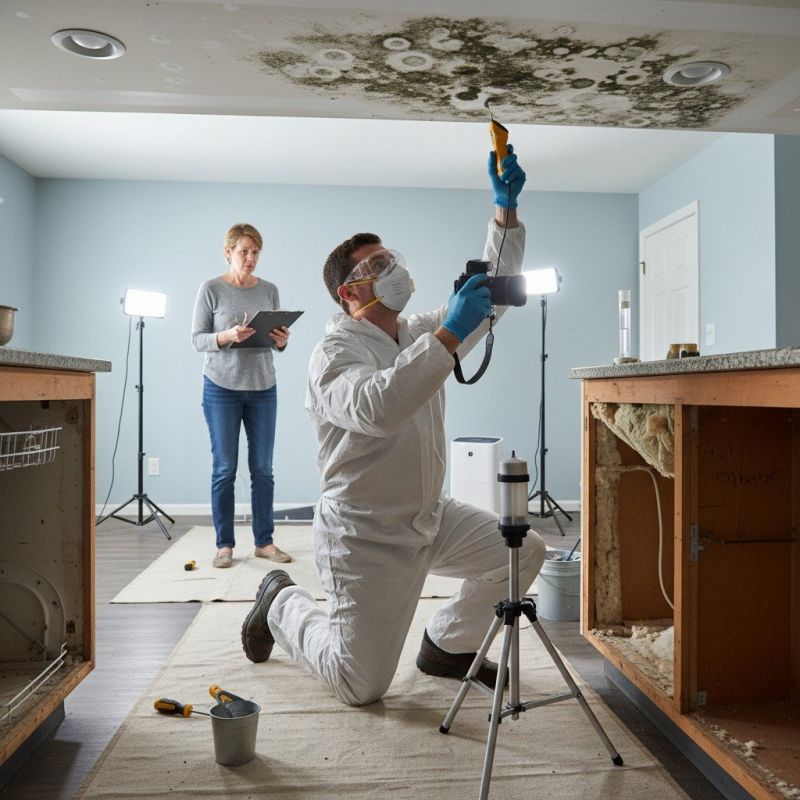
The process usually includes thorough inspections of affected areas, sampling of air and surfaces, and analysis to determine mold types and concentrations. Projects often cover basements, bathrooms, attics, or areas affected by leaks or flooding. Homeowners should consider questions about potential sources of moisture, the scope of mold growth, and the best steps for remediation before requesting mold detection services, ensuring they have a clear understanding of the situation and next steps for property health and safety.
Many property owners in Dallas, TX look into Mold Detection for repairs, replacements, upgrades, and appearance-related improvements.
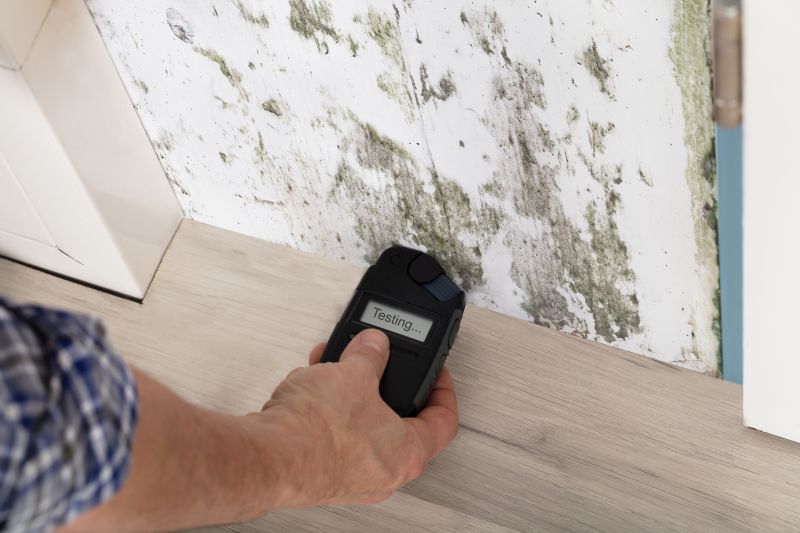
Signs Of Mold Growth
Detecting musty odors or visible stains can indicate mold presence in residential and commercial properties.
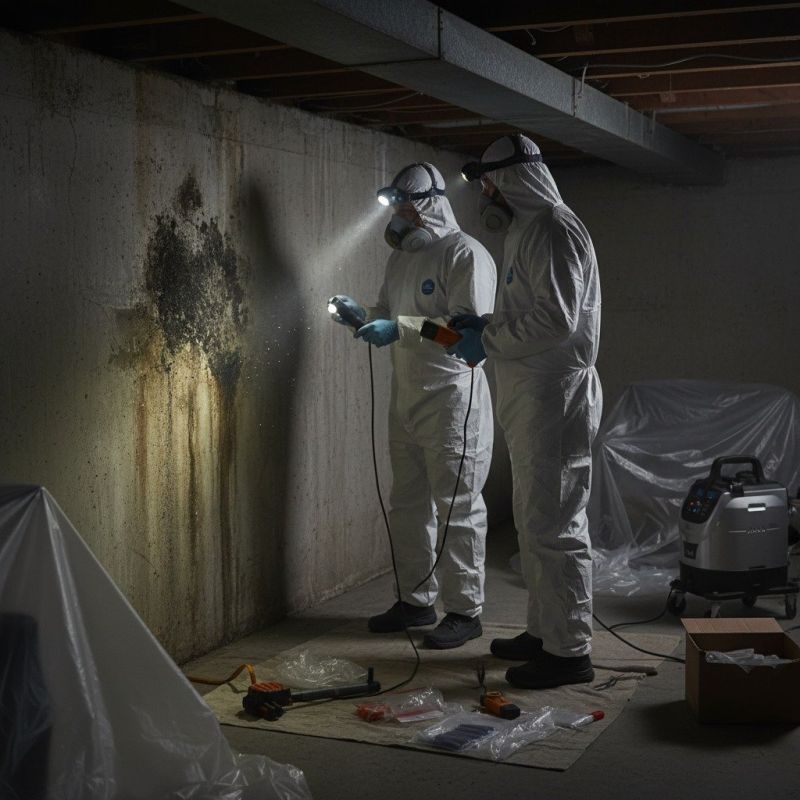
Importance Of Mold Testing
Professional mold detection helps identify hidden issues that could affect indoor air quality and property value.
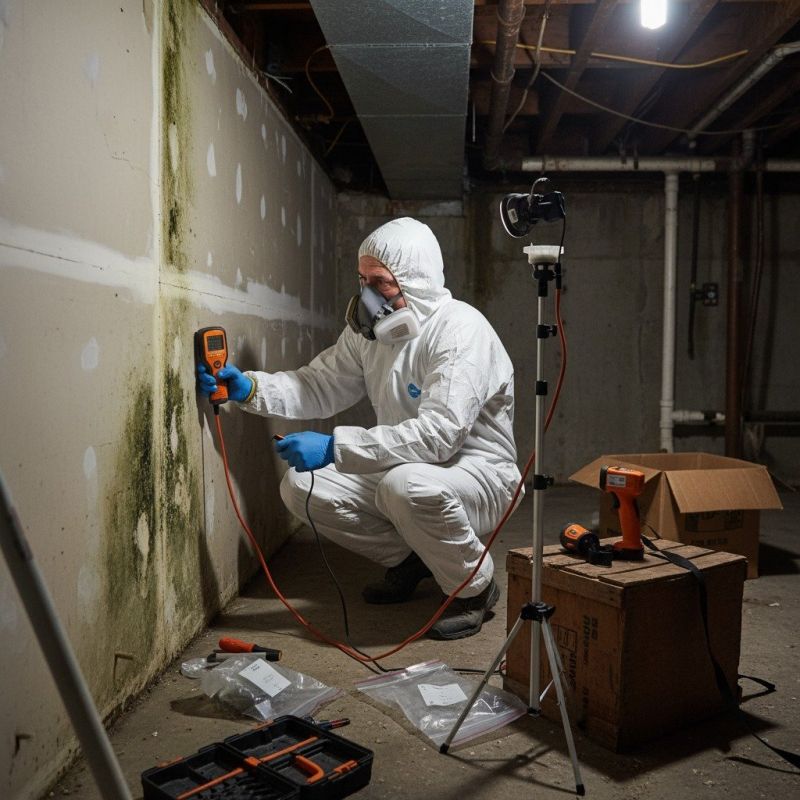
Common Mold Sources
Leaks, high humidity, and poor ventilation are typical causes of mold development in dallas-area homes and buildings.
Mold Detection in Dallas, TX
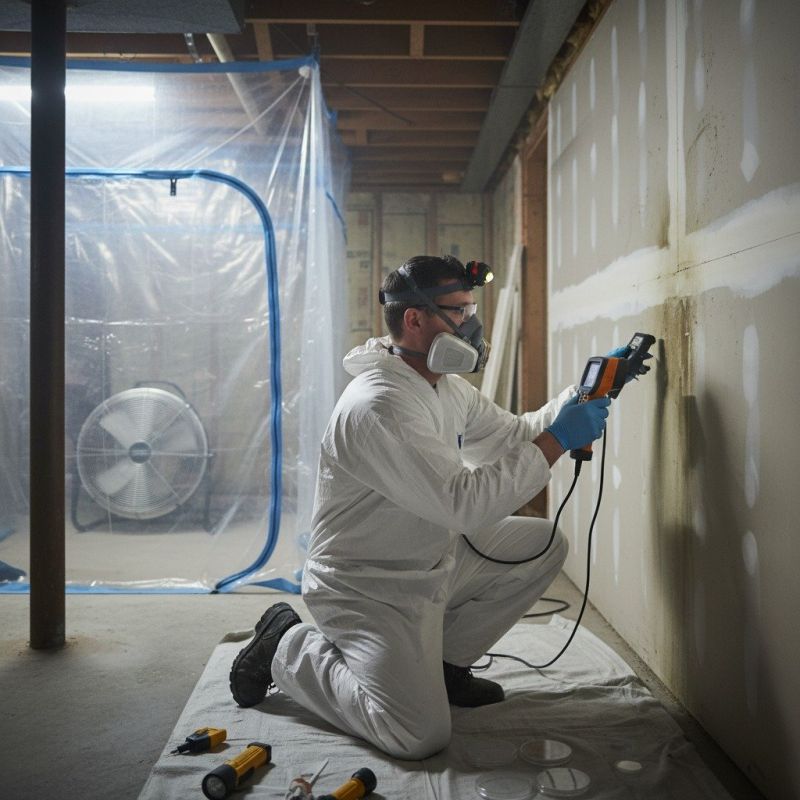
Mold detection services involve assessing indoor environments to identify the presence of mold growth that may not be immediately visible. These services are commonly requested during home inspections, post-water damage assessments, or when there are concerns about musty odors or allergic reactions. Property owners typically want to understand if mold is present, the extent of any contamination, and whether it poses health risks, especially in areas with high humidity or previous water intrusion.
The process usually includes thorough inspections of affected areas, sampling of air and surfaces, and analysis to determine mold types and concentrations. Projects often cover basements, bathrooms, attics, or areas affected by leaks or flooding. Homeowners should consider questions about potential sources of moisture, the scope of mold growth, and the best steps for remediation before requesting mold detection services, ensuring they have a clear understanding of the situation and next steps for property health and safety.
Many property owners in Dallas, TX look into Mold Detection for repairs, replacements, upgrades, and appearance-related improvements.
Common Mold Detection Jobs
Mold detection testing - identifies the presence of mold in indoor environments.
Moisture assessment - locates sources of excess humidity that can lead to mold growth.
Air quality testing - measures airborne mold spores to evaluate indoor air health.
Visual inspections - examines visible signs of mold and water damage on surfaces.
Post-removal testing - confirms mold has been effectively eliminated after remediation.
Hidden mold detection - uncovers mold growth behind walls and beneath flooring.
Mold Detection Questions
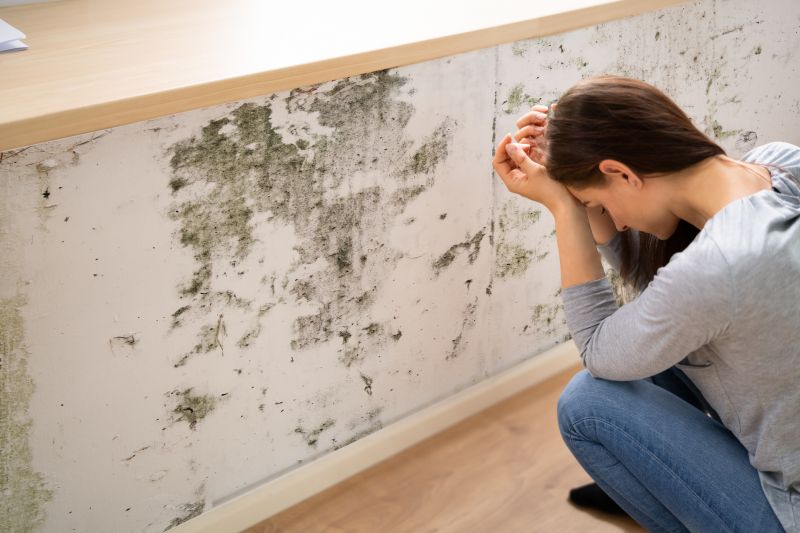
What is mold detection? Mold detection involves identifying the presence of mold in indoor environments through visual inspection and testing methods.
Why is mold detection important? Detecting mold early helps prevent health issues and property damage caused by mold growth.
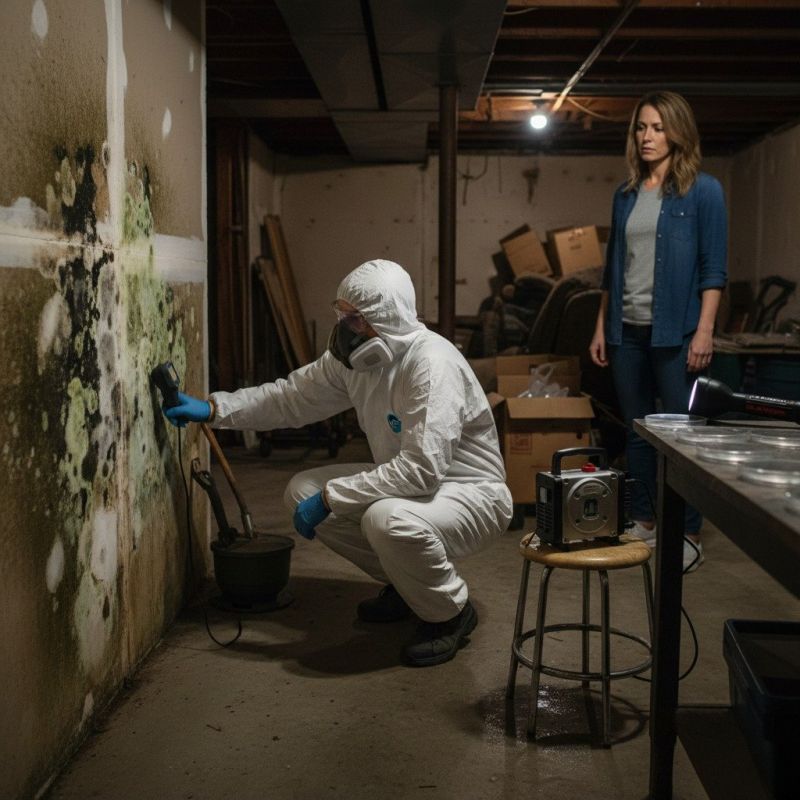
How are mold issues identified in a property? Mold issues are identified by inspecting areas prone to moisture and conducting air or surface testing for mold spores.
What types of properties typically need mold detection? Mold detection services are commonly requested for homes, apartments, and commercial buildings experiencing moisture problems or suspect mold growth.
Request Mold Detection in Dallas, TX
Use the quote form on this page to share the basics of your project and request more information for the type of work you need.